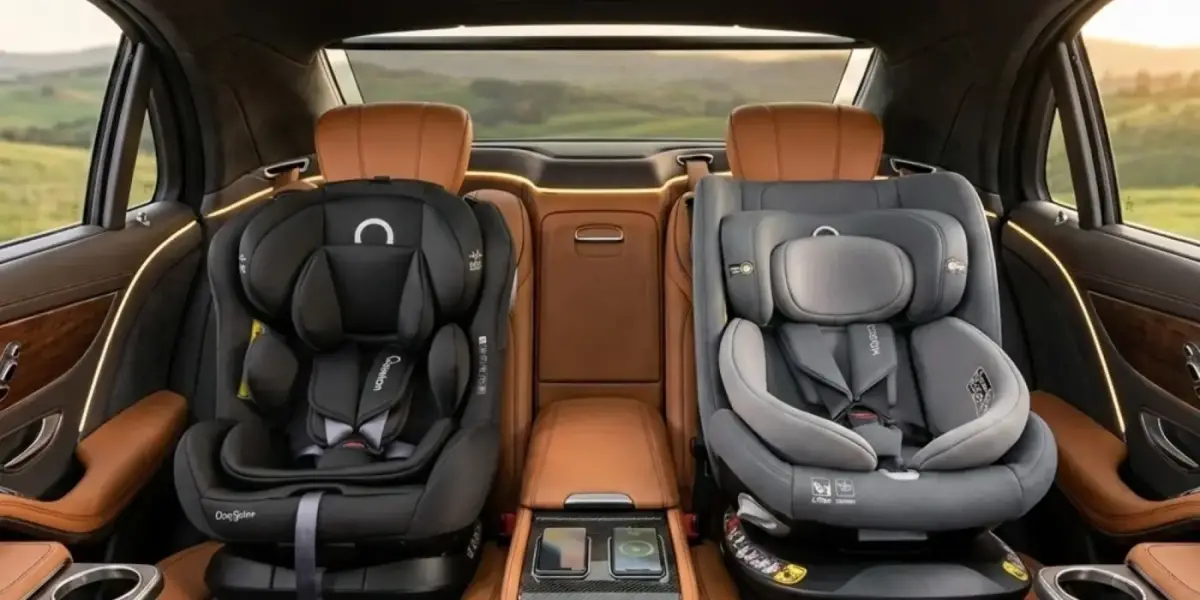
R129 vs R44 Malaysia: What's the Difference and Why It Matters for Your Child
R129 (i-Size) is the newer, stricter UN car seat standard; R44/04 is the older one. Both are legal in Malaysia, but buy R129 in 2026. Comparison table and label guide.
R129 (i-Size) is the newer and stricter UN car seat standard; R44/04 is the older one. Both are legal in Malaysia, but if you are buying a new seat in 2026 choose R129: it adds mandatory side-impact testing, height-based sizing and rear-facing travel until at least 15 months. Malaysia's child restraint rule accepts either standard as long as the seat carries an E-mark (JPJ – Child Restraint System (CRS); MIROS – CRS FAQ).
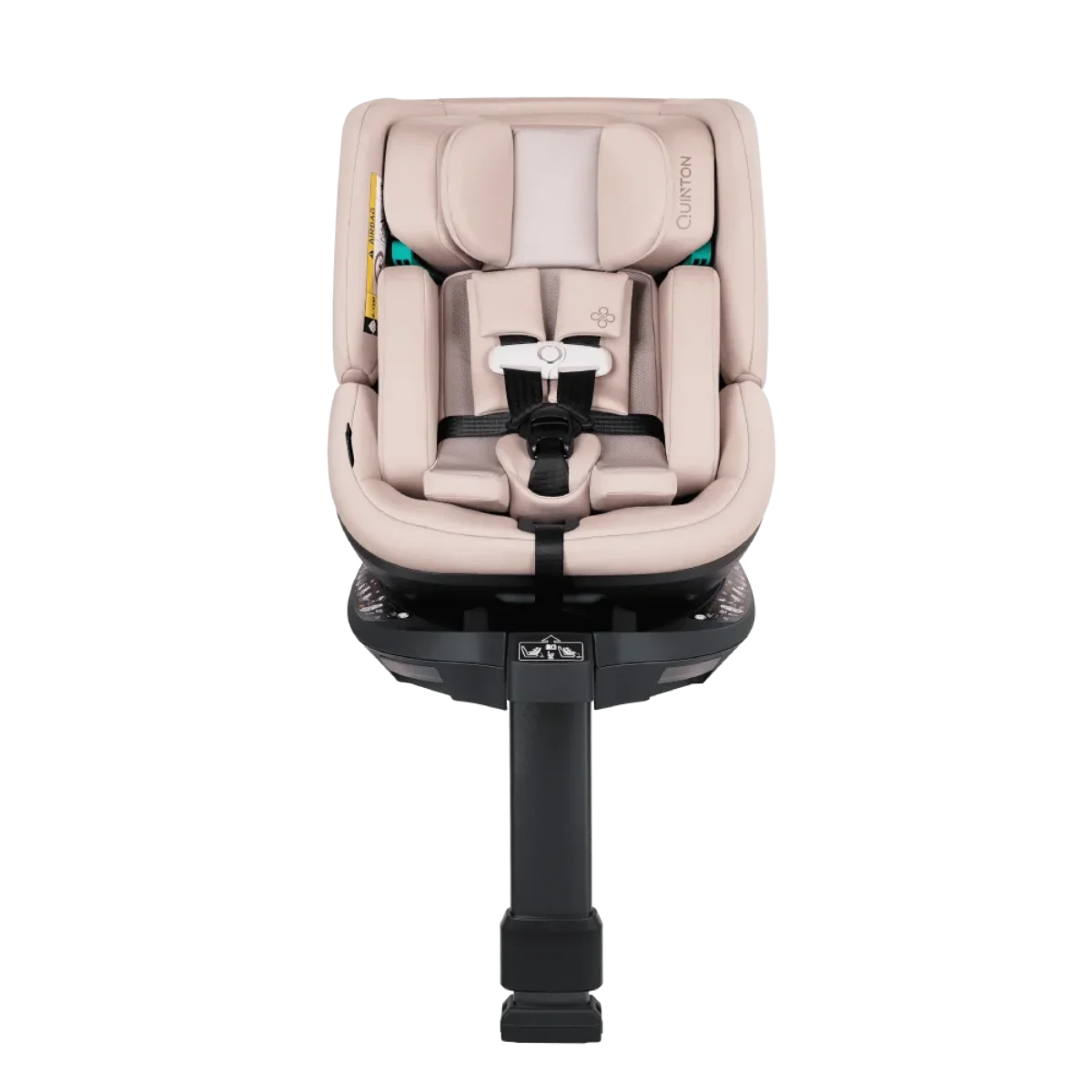
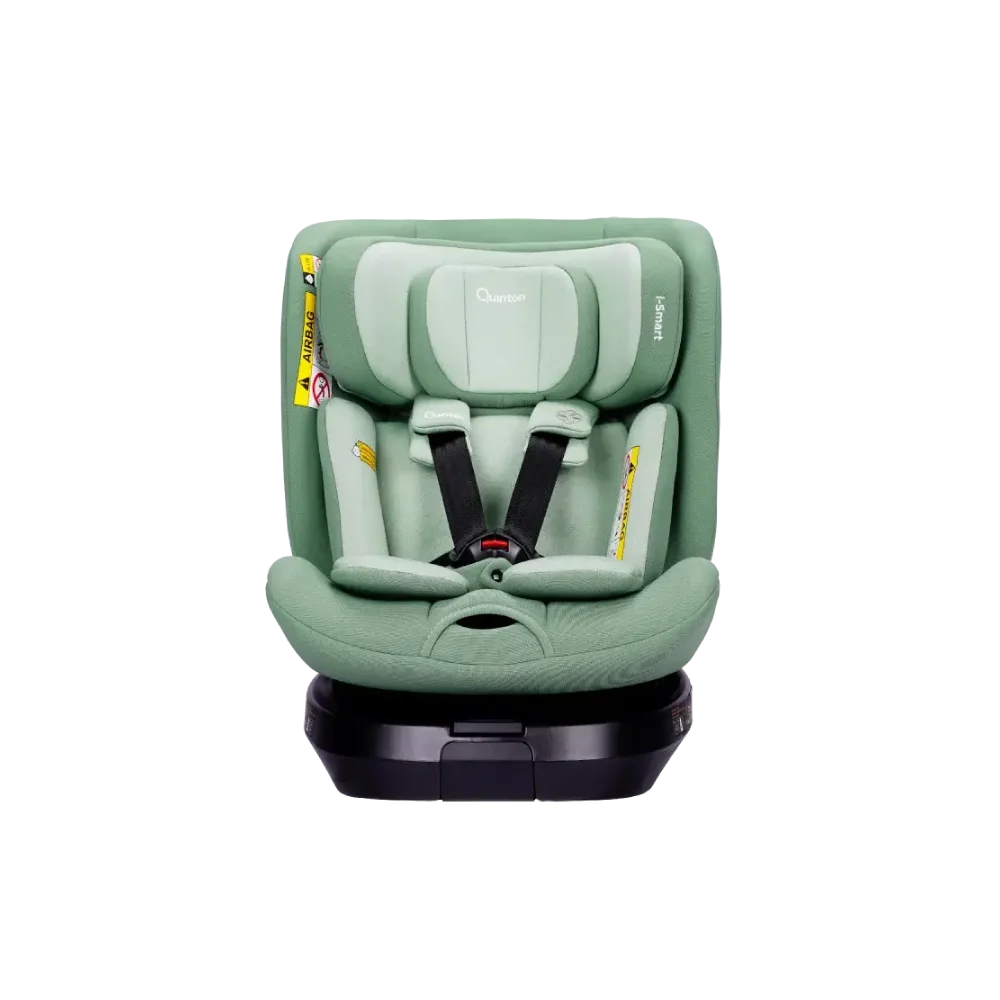
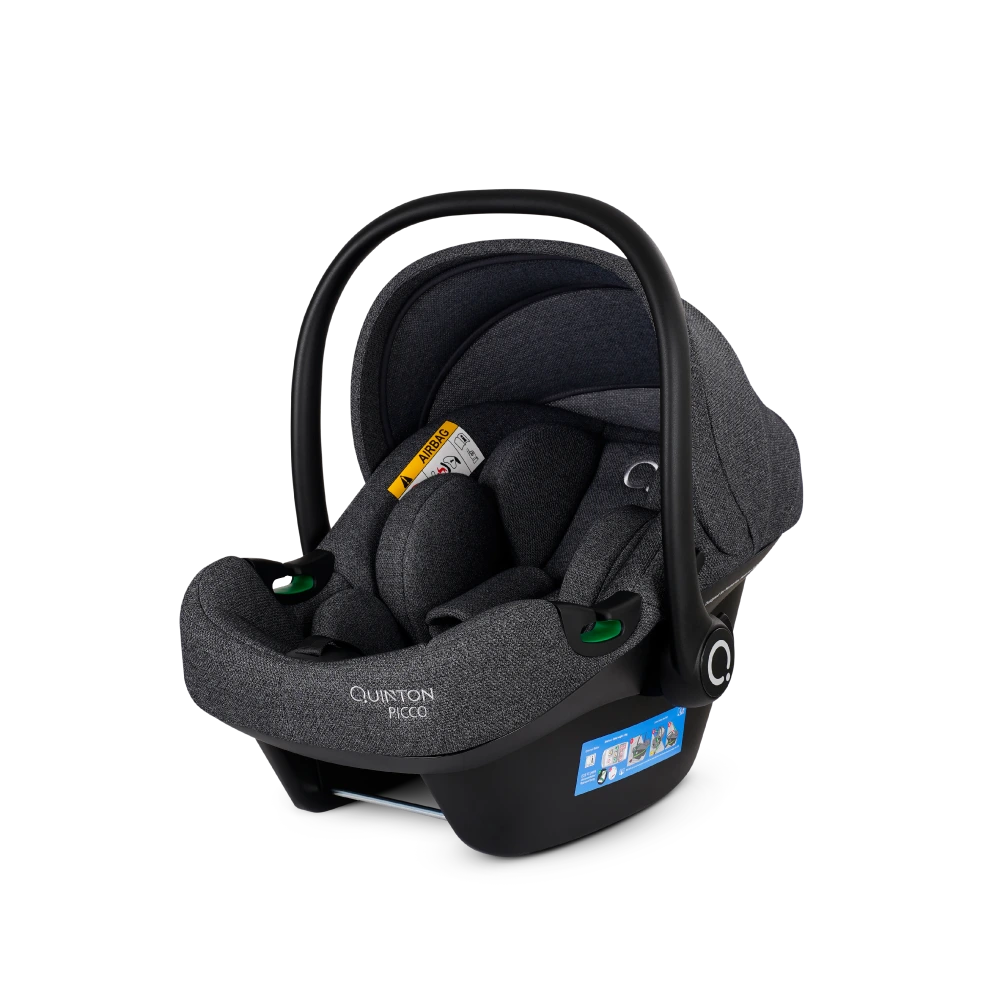
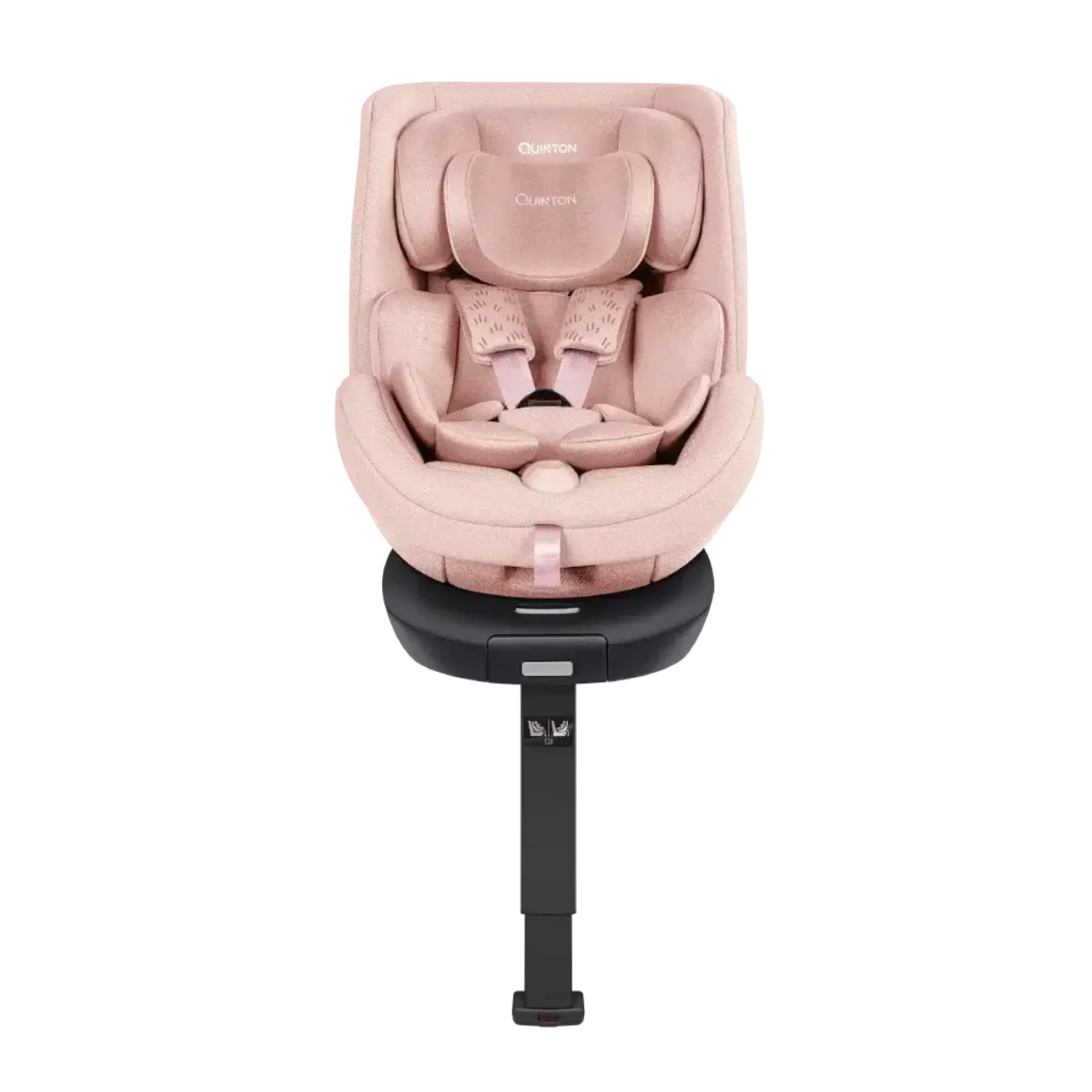
Quinton Baby sells both: the SpinGuard 360 and Wowo 360 carry the current R129/04 i-Size version, the Maple 360 and i-Smart 360 carry R129/03, the Picco i-Size carrier is R129/04, and the OneSpin+ 360 is certified to ECE R44/04 (Group 0+/1/2/3, 0–36 kg). All are E1 E-marked and JPJ type approved. Here is what the two labels mean and how to choose.
What Are R129 and R44, and Who Sets Them?
Both are United Nations regulations drafted by UNECE (the UN Economic Commission for Europe). They define how a car seat is crash-tested, approved and labelled before it can be sold. Malaysia has not written its own crash-test standard; the Motor Vehicles (Safety Seat-belts) (Amendment) Rules 2019 instead require a CRS approved to UN R44 or UN R129, which is why the E-mark label is what JPJ looks for.
The key point is that R129 is a complete redesign of how seats are tested, not a minor update to R44. R44 dates from the 1980s and classifies seats by the child's weight. R129, introduced in 2013 and sold under the i-Size name, classifies by height and adds side-impact testing.
R44/04 vs R129 i-Size: Side-by-Side Comparison
| Feature | R44/04 | ECE R129 (i-Size) |
| Classification method | Weight-based | Height-based |
| Side-impact testing | Rear and front impact only | Rear, front, and side impact |
| Rear-facing requirement | Forward-facing allowed from 9 kg (around 9 months) | Mandatory rear-facing until at least 15 months, up to 105 cm |
| Installation | Seatbelt or ISOFIX (sometimes both) | ISOFIX (i-Size); belt-installed R129 seats allowed since R129/03 |
| Child Grouping | Yes (Groups 0+, 1, 2, 3) | No group classification |
| Current status | Being phased out | Active and evolving standard |
What Does i-Size Mean?
i-Size is the consumer name for R129 seats that install with ISOFIX. An i-Size seat must keep the child rear-facing until at least 15 months, pass a side-impact test, and fit any i-Size-approved vehicle seat position. The label shows a height range (for example 40–105 cm) instead of a weight group. Most newer Malaysian cars, including the Perodua Myvi, Axia and Bezza and the Proton Saga and X50, have i-Size-compatible ISOFIX anchors in the rear outer seats.
What the R129 Version Numbers Mean
| Version | What Changed |
| R129/01 (2013) | The initial phase. It introduced height-based sizing, mandatory side-impact crash testing, and required children to stay rear-facing until at least 15 months old. It primarily covered ISOFIX car seats up to 105 cm. |
| R129/02 (2017) | Introduced regulations for larger booster seats (typically covering the 100-150 cm range) and added stricter standards for seat-to-vehicle compatibility. |
| R129/03 (2018) | Updated testing to allow and regulate belted installations (using seatbelts instead of just ISOFIX) and specified stricter regulations for 5-point harnesses and anti-rebound bars. |
| R129/04 (2024) | The most recent revision. It introduces enhanced definitions and testing for lower tether anchorages and extra safety measurements for belted, high-back booster seats. |
When comparing seats in a showroom or online, check which version of R129 the seat carries. R129/04 is the most recent revision.
How to Read the E-mark Label
Every approved seat has an orange label. On an R44 seat it shows "ECE R44/04", a weight group (for example 0+/1) and an approval number starting with E and a country code. On an R129 seat it shows "R129", a height range in cm and the same E-number format. E1 means the approval was issued in Germany by KBA, the authority that tests Quinton Baby seats. If the label is missing or unreadable, the seat is not legally compliant in Malaysia. Our JPJ compliance page lists the approval numbers for Quinton Baby seats.
Which Standard Should Malaysian Parents Choose?
Malaysian driving means stop-start traffic, hard braking and compact rear cabins, so correct installation and extended rear-facing matter more than anything on the label.
Choose R129 (i-Size) if:
- Your car has ISOFIX anchors (most cars built after 2010 do).
- You are buying a new seat and want the current highest standard.
- You want the simplest, most error-proof installation.
An R44/04 seat is still acceptable if:
- Your car has no ISOFIX and the seat installs with the seat belt (or choose an R129 seat approved for belt installation).
- It is a second seat for a grandparent's or older car.
- Budget is tight and the seat is new, E-marked and within its lifespan.
Either way, keep your child rear-facing for as long as the seat allows and shake-test the installation every time. See our ISOFIX installation guide and Malaysian car seat law guide.
What to Check Before Buying
| What to check | What to look for |
| Certification label | R129 preferred; R44/04 acceptable. No label means not legal. |
| Classification | Height-based (R129) or weight-based (R44) |
| Side-impact testing | Mandatory under R129; optional under R44 |
| ISOFIX | Standard on i-Size seats; some R44 seats |
| Rear-facing | To at least 15 months; ideally to 105 cm or 18 kg |
| Version number | R129/04 is the current highest version |
Quinton Baby Car Seats by Standard
- SpinGuard 360 — R129/04 i-Size, 40–150 cm, dual-side rotation.
- Wowo 360 — R129/04 i-Size, approval E1*129R04/00*0136*00 (KBA Germany).
- Maple 360 — R129/03 i-Size, flagship with Egg Bounce energy management.
- i-Smart 360 — R129/03 i-Size, compact base for small cars.
- Picco i-Size — R129 infant carrier for the newborn stage.
- OneSpin+ 360 — ECE R44/04, ISOFIX or seat belt installation, birth to 36 kg.
Compare them side by side on our car seat comparison page.
Last updated 29 October 2026. Sources: JPJ – Child Restraint System (CRS), Ministry of Transport – Child Car Seat Safety, MIROS – CRS FAQ, UNECE Regulations No. 44 and No. 129.
FAQ