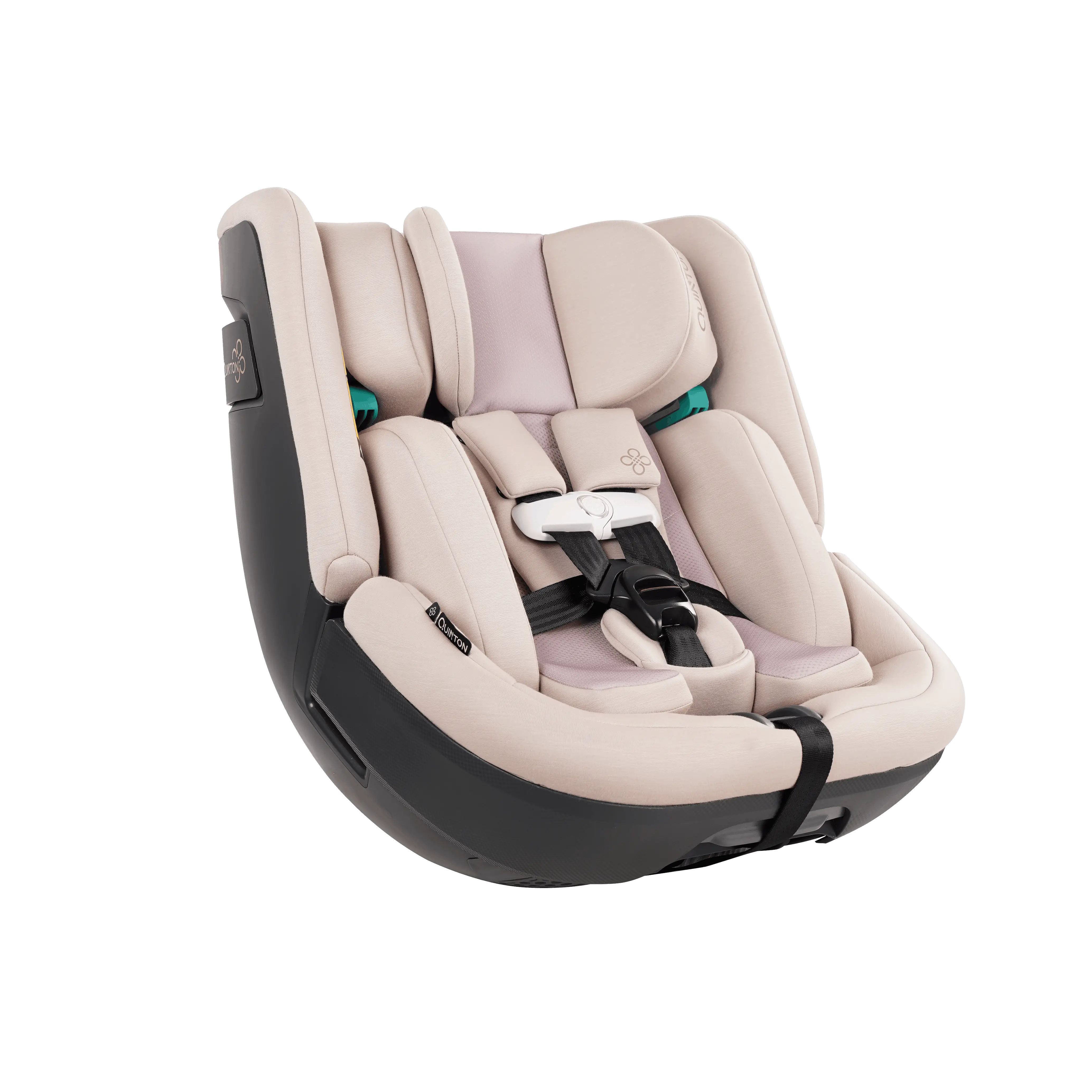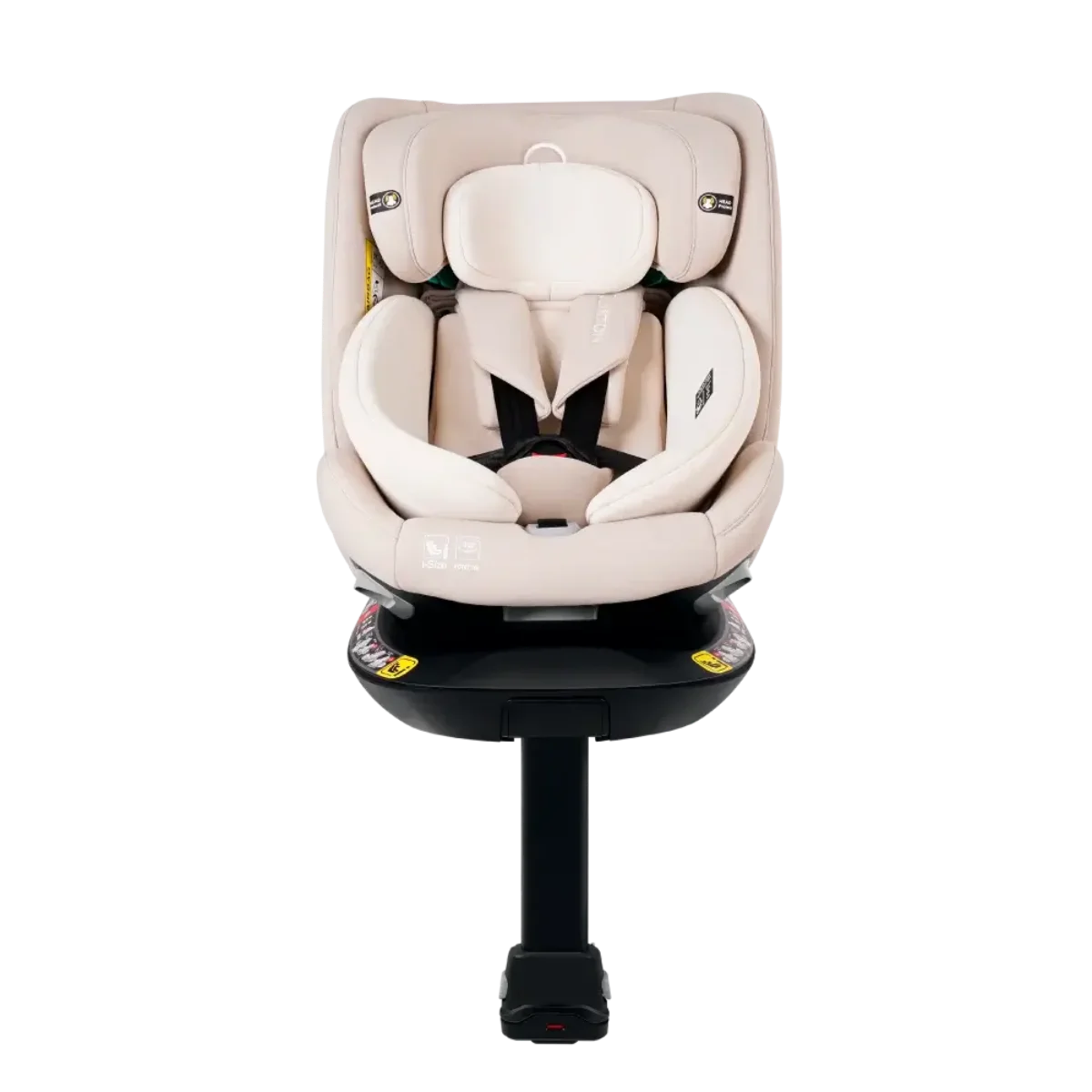
How to Install an ISOFIX Car Seat in 5 Minutes (Simple Guide for Malaysian Parents)
Install an ISOFIX car seat in 5 minutes: find the anchors, click until both indicators turn green, set the support leg or top tether, shake-test under 2 cm.
To install an ISOFIX car seat: park on level ground, find the two metal ISOFIX anchors between the rear seat cushion and backrest, push the seat's connectors on until both indicators turn green, extend the support leg to the floor (or tighten the top tether), then shake the base — it should move less than 2 cm. Fit the harness snug at armpit level. The whole job takes about five minutes, even in a Perodua Myvi or Axia.
Malaysia's child restraint rule accepts both ISOFIX and seat belt installation as long as the seat is E-marked to UN R44/04 or R129 and fitted as the manufacturer instructs (JPJ – Child Restraint System (CRS); MIROS – CRS FAQ). ISOFIX is the preferred method where your car has anchors because it removes most belt-routing errors. This guide gives the nine steps, the common mistakes to avoid, and what to do if your car has no ISOFIX.
The 5-Minute ISOFIX Installation
Target time: ~5 minutes
(Prep 1 min • Attach 2 min • Adjust 1 min • Final checks 1 min)
Step 1: Prepare Your Car (30–60 seconds)
- Park on level ground and pull the handbrake
- Choose a rear seat with ISOFIX anchors
- Move the front seat slightly forward for easier access
Step 2: Check the Quick Guide (15–30 seconds)
- Look at the car seat’s quick-start label
- Glance at your car manual for ISOFIX locations
- Take note of any warning symbols or indicators
Step 3: Find the ISOFIX Anchors (15–20 seconds)
- Feel between the seat cushion and backrest
- Locate the two metal bars
- Make sure nothing is blocking them
Step 4: Attach the ISOFIX Connectors (60–90 seconds)
- Line up the connectors with the metal bars
- Push firmly until you hear two clicks
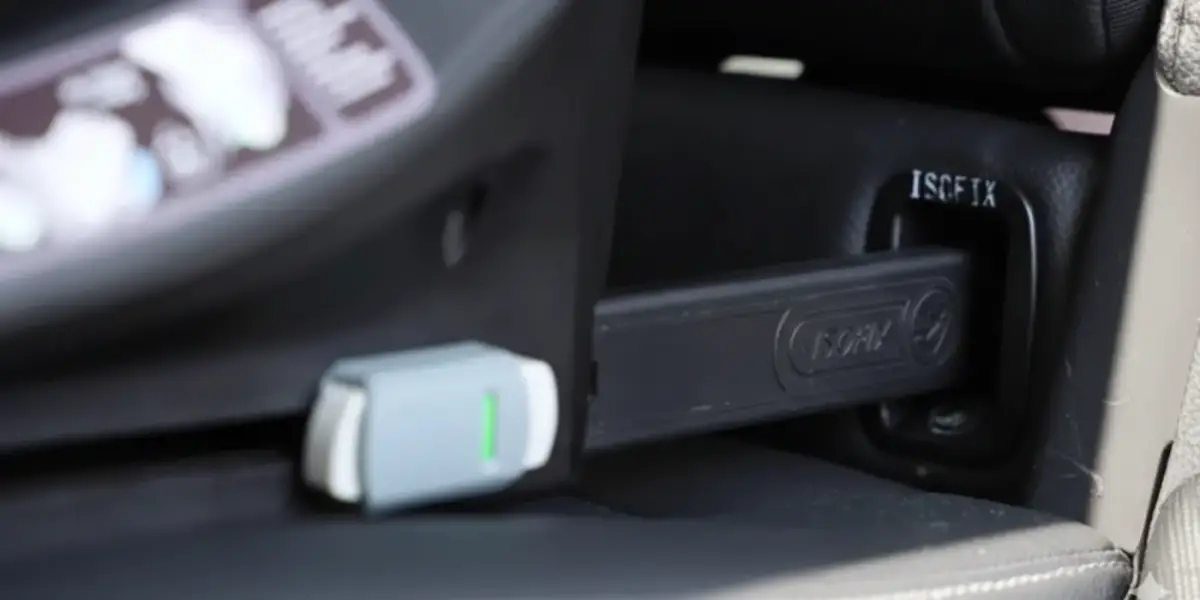
- Check indicators turn green (if your model has them)
Step 5: Secure the Support Leg or Top Tether (15–30 seconds)
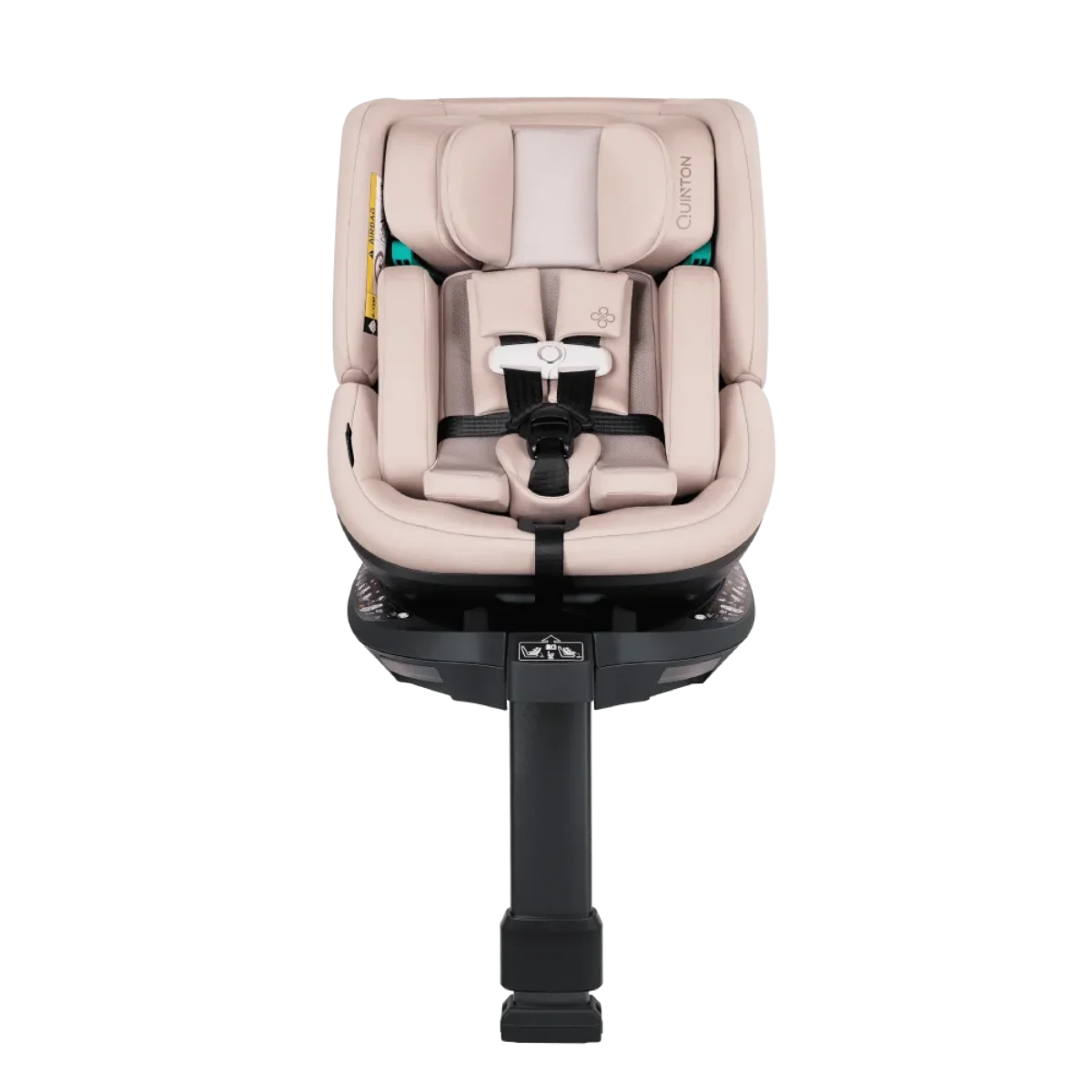
- Extend the support leg until it rests firmly on the floor
- OR
- Attach and tighten the top tether strap
No slack should remain.
Step 6: Tighten the Base (30–45 seconds)
- Push the seat firmly into the vehicle seat
- Remove any looseness using the adjustment strap
- Do a shake test — movement should be less than 2 cm
Step 7: Fit and Tighten the Harness (30–45 seconds)
- Place your child in the seat
- Position chest clip at armpit level
- Tighten until you cannot pinch extra webbing
Step 8: Final Safety Check (30–45 seconds)
- ISOFIX indicators green
- Support leg or tether secure
- Seat feels stable
- Harness tight and flat
Step 9: Optional Test Drive
- Drive slowly for 2–5 minutes
- Recheck tightness
- Adjust if needed
What Is ISOFIX (and Why Malaysian Parents Prefer It)
ISOFIX is an international car seat system that connects the seat directly to your car’s frame, instead of relying only on seatbelts.
Malaysian parents prefer ISOFIX because it is:
- Faster to install
- More stable
- Easier to use correctly
- Ideal for switching between cars
Most newer cars in Malaysia now come with ISOFIX as standard, making it one of the safest and most practical options for families.
Quick Troubleshooting (Common Issues)
No click / indicator stays red
→ Re-align connectors, push harder, ensure anchors are not blocked.
Seat feels loose
→ Push base into car seat, tighten strap, retest.
Harness feels loose
→ Remove thick clothing, tighten again.
Top tether unclear
→ Check car manual (usually behind seat or in boot area).
Which Installation Method Does Your Car Support?
There are three ways a child seat attaches to a car. Your seat's manual tells you which it allows; your car's manual tells you where the anchors are.
- ISOFIX: rigid connectors click onto two metal anchors in the car's frame. Fast, stable and hard to get wrong. Standard on most Malaysian cars built after 2010, in the rear outer seats.
- Top tether: a strap from the top of the seat to an anchor behind the rear seat or in the boot. It stops the seat pitching forward in a crash and is used with ISOFIX on many forward-facing seats.
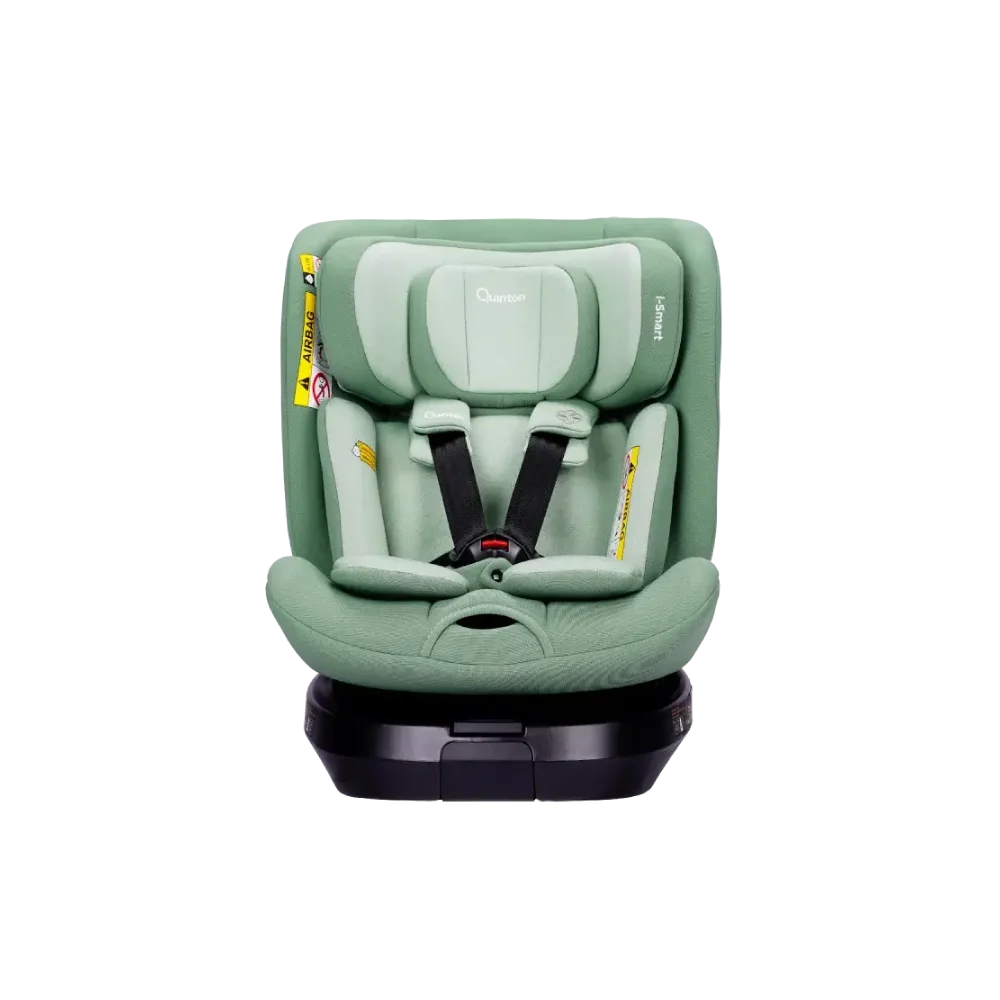
- Seat belt: the car's 3-point belt routed through the seat's colour-coded belt path. Works in every car, including older cars and e-hailing vehicles, but needs care to remove all slack. Seats such as the Quinton i-Smart 360 and OneSpin+ 360 accept both ISOFIX and seat belt installation.
Common ISOFIX Mistakes (and How to Avoid Them)
- Not checking the green indicator. A connector that looks attached can still be unlocked. Listen for two clicks and confirm both indicators are green before every trip. Seats like the Quinton Maple 360 show a clear indicator for each connector.
- Skipping the support leg or top tether. ISOFIX anchors alone do not stop the seat rotating in a crash. Extend the leg until it is firm on the floor, or tighten the tether until there is no slack.
- Using ISOFIX connectors in a car without anchors. If the connectors cannot reach a metal anchor, the seat is not attached. Use a seat that also allows seat belt installation.
- A loose base. Press your body weight into the seat while tightening. The base should move less than 2 cm side to side and front to back.
- A loose harness. Do the pinch test: if you can pinch a fold of webbing at the shoulder, tighten it. The chest clip sits at armpit level. In Malaysia's heat, dress your child in thin layers instead of loosening the straps.
- Wrong seat for the child's size. Match the seat to your child's height and weight, not age. Moving to forward-facing or a booster too early removes protection.
- Ignoring vehicle-specific rules. Some cars put the tether anchor in the boot; a rear-facing seat may only go in front if the airbag is off. Check both manuals.
A seat that moves between cars — the family car, a grandparent's car, a Grab — must be rechecked every time it is refitted.
Final Safety Reminders for Parents
Installing an ISOFIX car seat doesn’t need to be complicated or scary. With a simple step-by-step approach, most parents can secure their child safely in just a few minutes.
What matters most is not speed — it’s consistency.
For busy Malaysian families, good installation habits reduce stress and build real peace of mind. Whether it’s a short trip to daycare or a long balik kampung drive, a properly installed car seat offers reliable protection every time.
If you’re ever unsure, it’s always okay to double-check.
Car seat safety isn’t a one-time task — it’s part of everyday parenting.
Related guides: Malaysian car seat law explained · Best car seat for Perodua Myvi, Axia and Bezza · R129 vs R44.
Last updated 29 October 2026.
FAQ