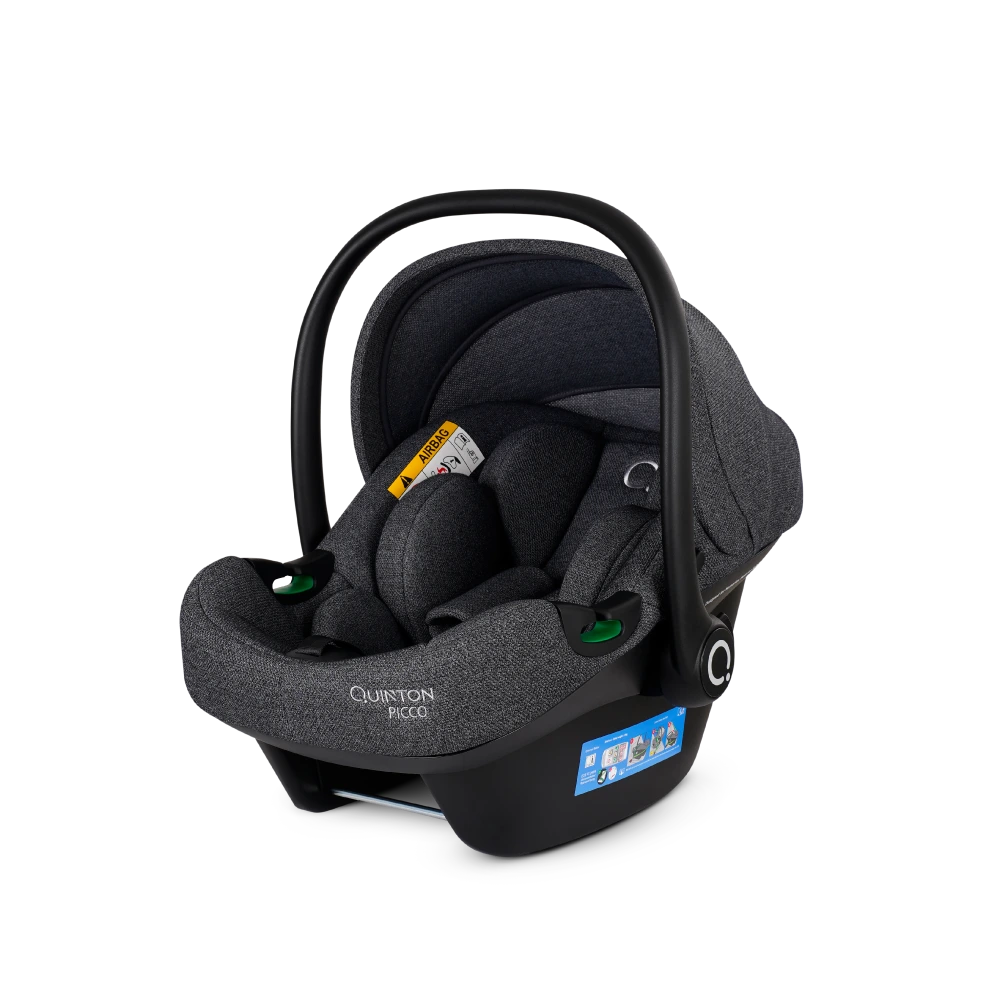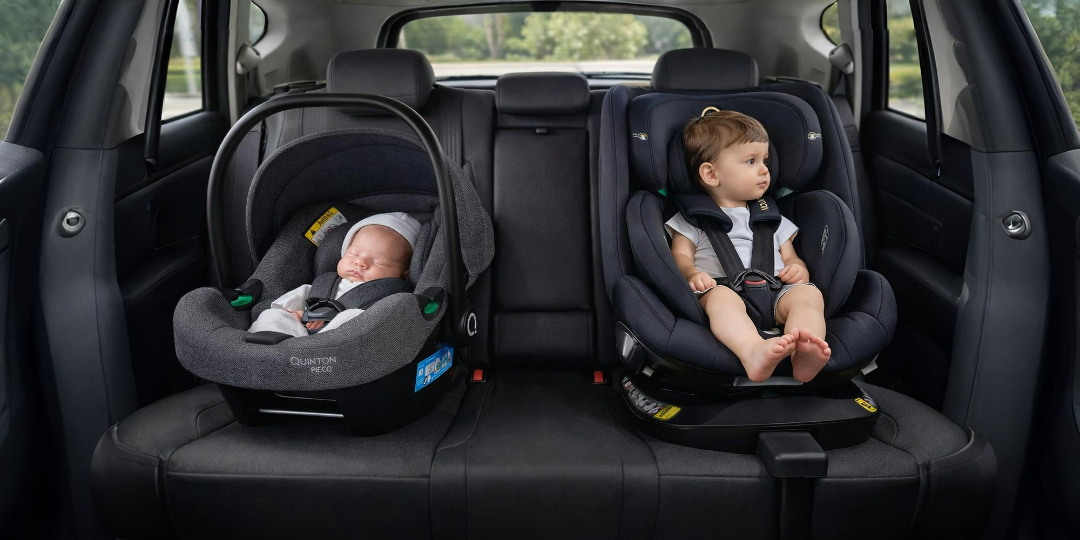
When Should You Switch from a Newborn Carrier to a Toddler Car Seat?
Practical guide for Malaysian parents about when to switch from an infant carrier to a toddler car seat — what to watch for and how to keep transitions safe.
Moving your child from a newborn carrier to a toddler car seat is one of those parenting moments that feels small, yet surprisingly emotional. One day they’re curled up and sleepy in a tiny carrier. The next, they’re sitting up, wriggling around, and trying to look out the window — and you start wondering, Is it time to change seats?
This guide shares clear, safe signs to look out for (based on height, weight, and behaviour), plus practical tips for making the switch smoother in Malaysian cars and climate. No guessing, no rushing — just simple steps to help you choose what’s best for your child and daily routine.
When Is the Right Time to Switch?
Don’t rely on age alone. Use one or more of these signals:
1. You’ve Reached the Seat’s Limits
- Your baby has exceeded the height or weight limit on the label
- The head is close to or past the maximum marking
- Always follow the manufacturer’s instructions first
2. Head or Shoulders Are Too High
- The head rises above the top edge of the carrier shell
- Shoulders are above the highest harness slots
This means the carrier no longer supports the head and neck properly.
3. Your Baby Can Sit Upright Well
- Your baby sits steadily without slumping
- Usually around 6–9 months (but every child is different)
- A toddler or convertible seat offers better posture support
4. Comfort Is Becoming an Issue
- Baby looks cramped
- Head keeps flopping sideways during naps
- Straps feel tight even when adjusted correctly
5. Approaching the Weight or Height Threshold
- Most infant carriers support up to 9–13 kg
- Many parents switch between 9–15 months
- Seat limits matter more than age
Important: Always prioritise the manufacturer’s limits. They override general advice.
Why Staying Rear-Facing Matters
When switching, always choose a seat that supports extended rear-facing.
Rear-facing protects:
- the head
- the neck
- the spine
far better than forward-facing in a crash.
Many modern convertible seats allow rear-facing up to 15–18 kg or more, which is strongly recommended.
How to Make the Switch Smoothly
1. Check the Limits First
Read the labels on both your old and new seats.
2. Choose a Seat That Fits Your Car
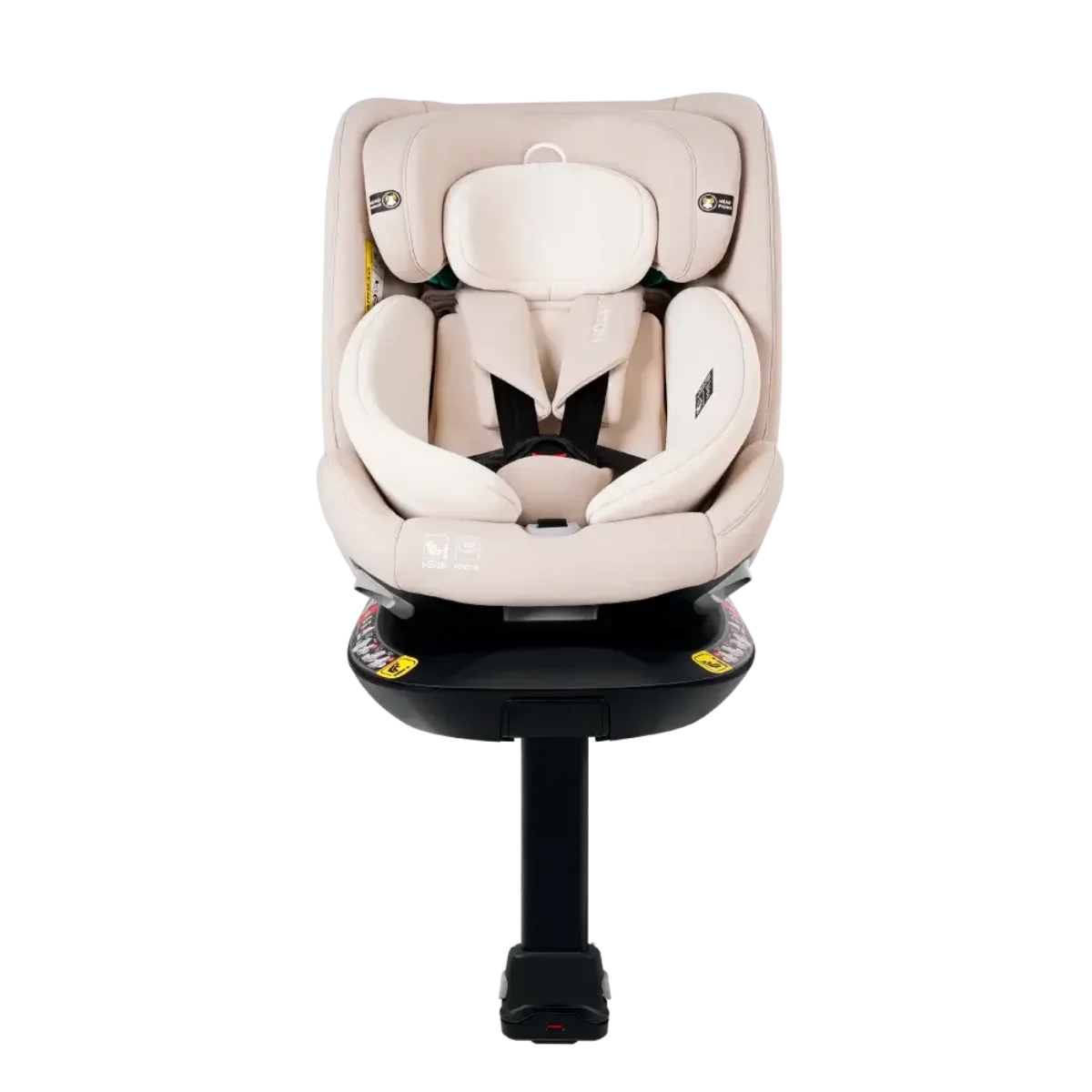
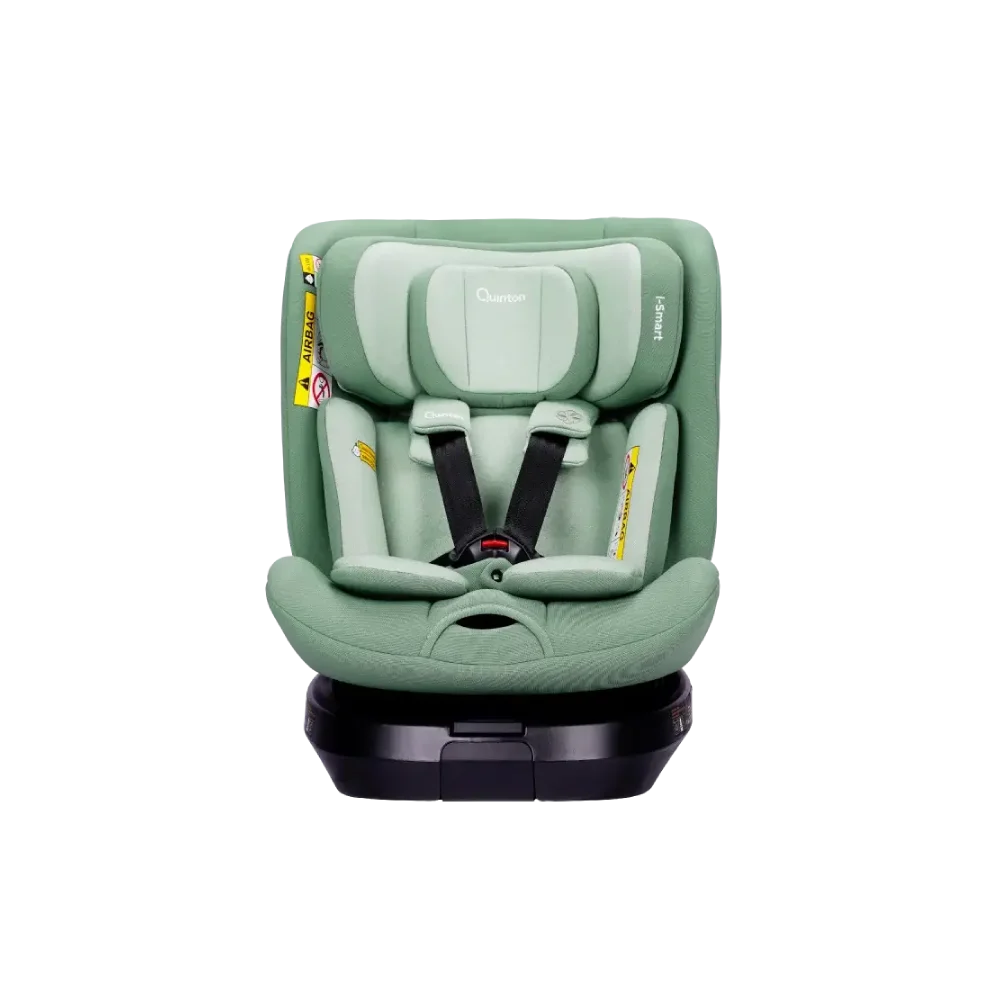
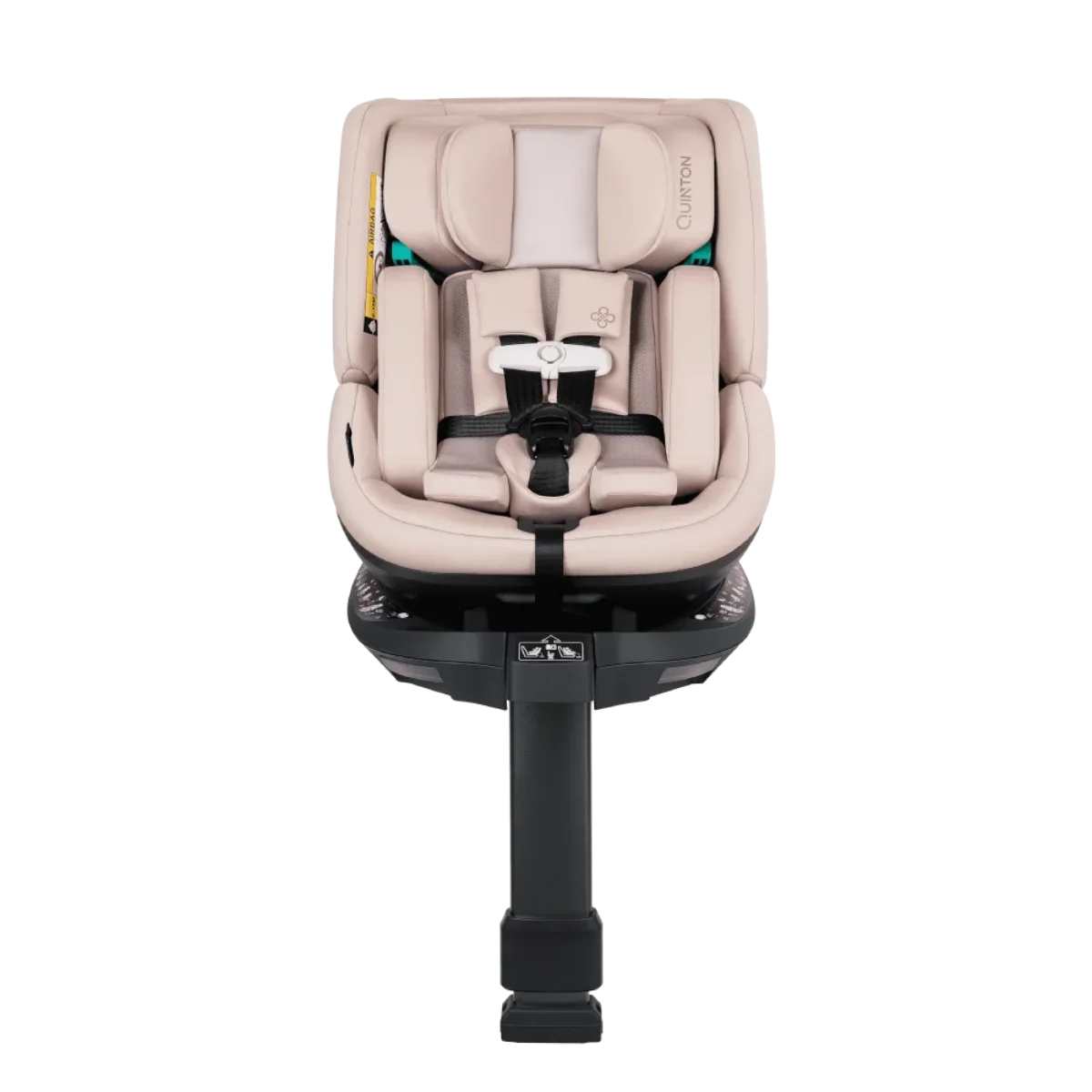
In Malaysia, small cars are common. Look for slim i-Size or convertible seats, especially for:
- Axia
- Myvi
- Bezza
- Saga
3. Plan a Calm Transfer
Switch at a relaxed time — not when your baby is hungry or sleepy.
4. Practice Installation First
Install the new seat without your child so you’re confident.
5. Keep the First Trips Short
Do a few short drives and recheck harness fit.
6. Stay Rear-Facing as Long as Possible
Use rear-facing until the seat’s maximum limit.
Making It Easier in Small Malaysian Cars
If you drive a compact car:
- Choose slim-profile seats with ISOFIX
- Test-fit before buying if possible
- Look for breathable fabric (bamboo or ventilated covers) for Malaysia’s heat
A seat that looks slim online can still push your front seat forward in real life — always try if you can.
Quick Checklist Before Switching
✔ Carrier height/weight limit reached
✔ Head or shoulders too high
✔ Baby sits upright well
✔ New seat supports rear-facing
✔ New seat fits your car properly
Final Thoughts
Switching from a newborn carrier to a toddler seat is a small milestone with big meaning. It’s a sign your child is growing — and a chance to upgrade to a seat that protects them for years ahead.
Take your time:
- check labels
- test the fit
- prioritise rear-facing
And remember:
A correctly installed seat used every day is always safer than a perfect seat used wrongly.
FAQ